

Posted by BoatCrewGear.com on 13th Jun 2026
How to Prepare for Offshore Conditions with the Right Gear
How to Prepare for Offshore Conditions with the Right Gear
Offshore sailing changes everything.
Once you leave sheltered waters, the environment becomes less predictable, more demanding, and significantly more punishing on both sailors and their gear. Conditions can shift quickly, spray is constant, fatigue builds faster, and small gear failures can turn into real problems.
Preparation is not just about comfort offshore. It is about safety, performance, and confidence when you are far from shore.
At BoatCrewGear, offshore readiness is one of the most common topics sailors ask about. The right setup is not about carrying more gear, but about choosing the right system so everything works together when it matters.
Understanding Offshore Conditions
Offshore environments typically involve:
- Stronger and more sustained wind
- Larger and more chaotic wave patterns
- Constant salt spray exposure
- Rapid temperature changes
- Long periods of physical activity and fatigue
Unlike inshore sailing, you cannot simply return to shelter if conditions become uncomfortable. Your gear has to manage the environment for you.
1. Start with a Proper Layering System
Layering is the foundation of offshore comfort.
A good system includes:
- Base layer: moisture management and temperature control
- Mid layer: insulation and warmth retention
- Outer layer: windproof and waterproof protection
The goal is simple. Stay dry from both outside water and internal sweat.
Poor layering leads to overheating, chilling, or constant discomfort over long passages.
2. Waterproof Protection Is Non-Negotiable
Your outer shell is your first line of defence offshore.
Look for:
- Fully waterproof and breathable materials
- Sealed seams
- Adjustable cuffs, collars, and hoods
- High collar protection against spray
In offshore conditions, spray is constant. Even short exposure without proper protection leads to fatigue and discomfort over time.
Good offshore jackets and salopettes are designed to keep water out while still allowing heat and moisture to escape.
3. Gloves, Hands, and Constant Contact Points
Your hands are in constant use offshore.
Between trimming, winching, and line handling, gloves are critical.
Key requirements:
- Reliable wet grip
- Reinforced palms and fingers
- Protection against rope burn
- Option for full finger coverage in colder or heavier conditions
Many sailors carry more than one pair depending on conditions.
You can explore offshore-ready glove options at BoatCrewGear to match protection levels to your sailing style.
4. Footwear That Works on a Moving Deck
Offshore decks are constantly wet and moving.
Good footwear should provide:
- Strong non-slip grip
- Drainage or quick-dry capability
- Stability when moving across angles and waves
- Comfort for long periods on your feet
Footwear is often underestimated offshore, but poor grip or discomfort quickly becomes a safety issue when conditions are rough.
5. Personal Safety Equipment Comes First
Offshore sailing demands a higher level of safety awareness.
Essential considerations include:
- Proper flotation or PFD use
- Safety harness compatibility where required
- Visibility features for night or low-light conditions
- Secure attachment points for clipping on deck
The goal is not just to stay comfortable, but to remain secure in all conditions.
6. Managing Fatigue Through Better Gear Choices
Offshore fatigue builds quietly.
Good gear reduces fatigue by:
- Keeping you dry for longer
- Reducing unnecessary bulk or restriction
- Allowing natural movement while working
- Minimising distraction from discomfort
When gear works properly, you conserve energy for sailing, not managing clothing.
7. Weather Awareness and Flexibility
Offshore conditions are not static.
You may experience:
- Warm sun followed by cold spray
- Light wind building into stronger systems
- Shifts in direction and intensity
Your gear setup needs flexibility.
That means:
- Layering you can adjust
- Gear you can ventilate or seal as needed
- Spare options for changing conditions
8. The Value of Getting Advice Before You Go
Offshore preparation is not always straightforward.
Different boats, conditions, and roles require different setups. Choosing incorrectly can lead to discomfort or inefficiency at sea.
That is why BoatCrewGear is always available to help sailors:
- Choose appropriate offshore gear
- Understand layering combinations
- Compare brands and protection levels
- Match gear to real sailing conditions
Having the right advice before heading offshore can make a significant difference to the overall experience.
Conclusion
Preparing for offshore conditions is about more than just having the right jacket or gloves.
It is about building a system that keeps you dry, warm, safe, and capable of performing for long periods in changing conditions.
When your gear works properly together, offshore sailing becomes less about surviving the conditions and more about focusing on the sailing itself.
Get in touch, we can talk through what you may need...
© Boat Crew Gear
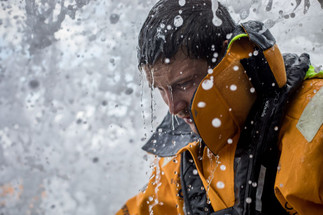
Main image of Musto HPX courtesy of Musto